What in the world is Webster and the POD Squad? Find out now in this fun montage which takes you through the highlights of his 90 episodes.
Dignity
Dignity means remembering that everyone has value, so we treat ourselves and others like they matter.
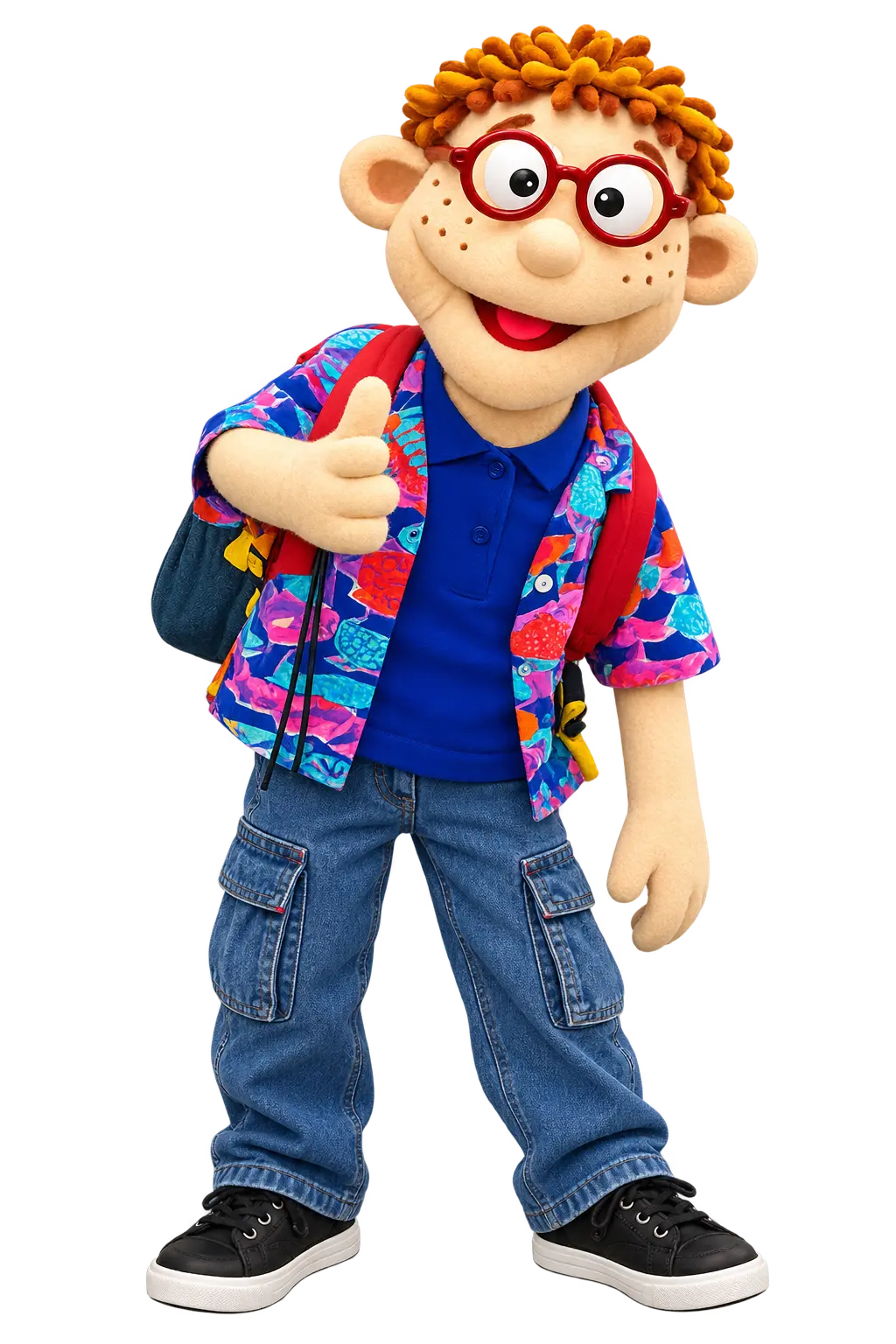
Created by educator, school counselor, and puppeteer Robb Killen, Webster and the P.O.D. Squad uses humor, puppetry, and relatable stories to teach children important social-emotional and character skills. Each short episode encourages thoughtful choices and meaningful conversations at home or in the classroom.
Topics include:
Dignity, Respect, Trustworthiness, Responsibility, Empathy, Conflict, Reputations, Bullying (10 episodes), Fairness, Feelings, Peace, Caring, Impulsiveness, Consequences, Citizenship, Giving Thanks, and Holiday Celebration (Diversity)
What in the world is Webster and the POD Squad? Find out now in this fun montage which takes you through the highlights of his 90 episodes.
How do educators use Webster and the POD Squad in their schools?
Killen Creations’ mission is to cultivate People of Dignity—young people equipped with the empathy, resilience, and strength of character to make a positive difference in their communities.
The following works are stories derived from the Webster and the P.O.D Squad video series.
The current book covers displayed in this section are AI-generated concept images provided solely as visual placeholders until final publishing.

Webster experiences the many emotions that come with moving to a new city and starting at a new school. Although he initially feels sad and scared about leaving his friends and facing the unknown, a kind teacher named Mrs. Murphy helps him feel welcome and introduces him to the meaning of Dignity—respecting yourself and others, trying your best, and doing what is right even when no one is watching. Inspired by what he learns, Webster creates the POD Squad, a club for “People of Dignity,” and discovers that a scary new beginning can become the start of something wonderful
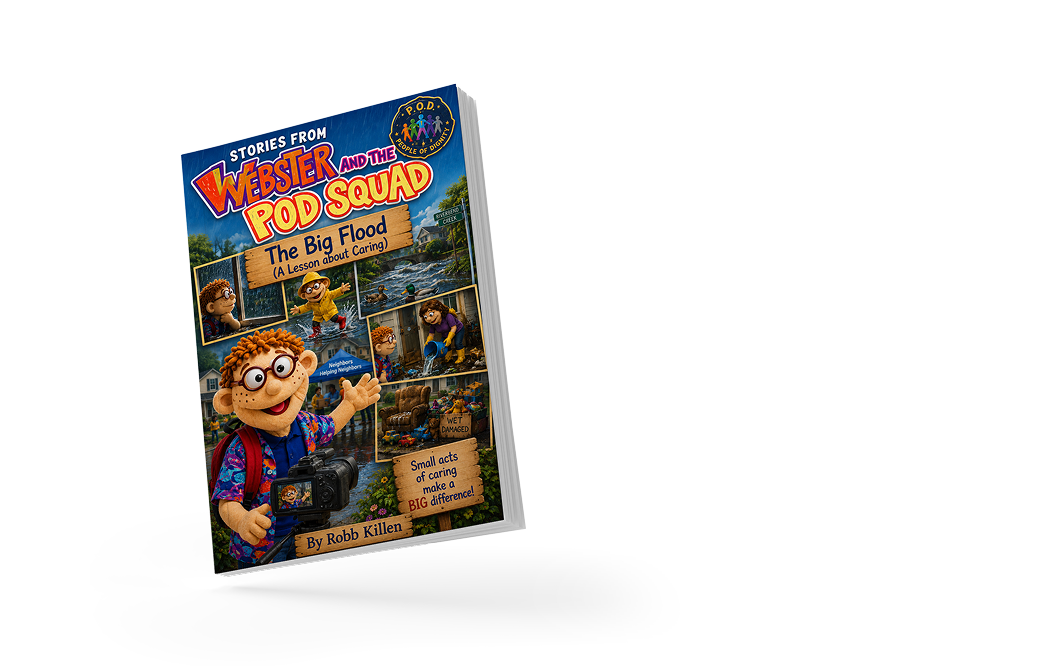
Webster learns the meaning of Caring after a major flood damages homes in his community. Although his own house remains safe and dry, Webster feels sad for his neighbors and wants to help, leading his mom to teach him that caring means showing kindness and helping others when they need it most. Webster discovers that even small acts—cleaning, providing food and water, or making something for someone—can make a difference, and that true caring isn’t about receiving praise or rewards. Instead, it’s about treating others the way we would want to be treated and becoming a true Person of Dignity.

Webster and his younger friend George experience a fun-filled trip to the fair, where Webster finally has the chance to ride the exciting Gut Twister 2000. When he realizes George is too short to ride, Webster remembers how disappointed he felt when the same thing happened to him the year before. Instead of leaving George behind, Webster chooses a different ride they can enjoy together. Through this experience, Webster learns that Empathy means understanding how someone else feels, putting yourself in their shoes, and treating others the way you would want to be treated—a valuable lesson for every Person of Dignity.

Webster goes on a camping trip with his cousin Roy and Uncle Charley, where one eventful night takes him through a whirlwind of emotions. After mistaking Roy’s flashlight for a monster, Webster goes from scared to mad, and then happy again when Roy apologizes and they make up. The experience helps Webster learn that feelings naturally change, and that no feeling—including anger—is good or bad by itself. What matters is how we choose to respond to those feelings. Webster discovers that understanding his emotions and making good choices, even when he is upset, is an important part of becoming a Person of Dignity.